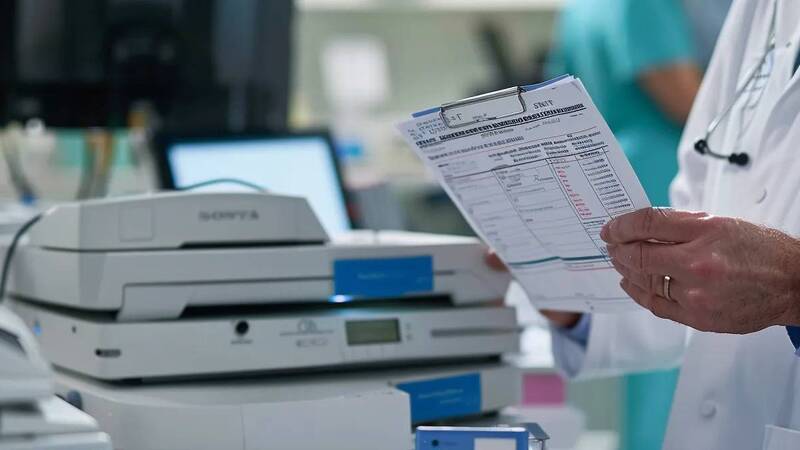
Secure faxing plays a pivotal role in maintaining the confidentiality and integrity of patient health information. As healthcare practices evolve with technology, retaining a clear understanding of HIPAA compliance becomes ever more critical, especially in regards to transmitting sensitive data. With the threat of data breaches and cyber-attacks looming, protecting patient privacy is not just a regulatory mandate but a trust pact between healthcare providers and their patients. This article delves into the intricacies of HIPAA faxing requirements, the importance of secure faxing, and how to maintain compliance effectively. Below, explore how safeguarding patient data through secure faxing protocols is indispensable in today’s digital healthcare landscape.
Understanding HIPAA Compliance and Faxing Requirements
HIPAA enforces strict safeguards for transmitting patient health information, including fax communications. Compliance requires secure lines, controlled access to fax machines, and verification of recipient identity to prevent unauthorized disclosure. Healthcare providers must regularly assess their faxing practices to ensure they align with these privacy standards.
As organizations move from traditional machines to digital faxing, HIPAA principles remain the same: encryption, secure storage, and controlled transmission. InterFAX offers solutions that support secure fax for HIPAA, helping providers maintain compliance while modernizing workflows and protecting sensitive patient data.
The Role of Secure Faxing in Protecting Patient Information
Even in the age of emails and instant messaging, faxing remains a trusted tool for healthcare providers to exchange patient information securely. Secure faxing services strengthen this process by using advanced encryption, ensuring sensitive data cannot be accessed during transmission without the proper decryption key. This protection is vital in preventing unauthorized access and safeguarding patient privacy while maintaining legal and medical reliability.
Beyond encryption, secure faxing reduces risks tied to human error. Features such as user authentication, automatic log-off, and controlled access protect documents from being left unattended or misdirected. Faxing also provides a verifiable audit trail, reinforcing compliance and accountability while demonstrating to patients and regulators that strict safeguards are in place.
Evaluating Fax Solutions: HIPAA Considerations for Healthcare Providers
Healthcare providers evaluating fax solutions for HIPAA compliance must assess both security and efficiency. This process begins with identifying the type of data being transmitted and the risks tied to its transfer. Essential features include end-to-end encryption, secure storage, and access controls to block unauthorized access. A vendor’s willingness to sign a Business Associate Agreement (BAA) is also key, as it demonstrates accountability in protecting patient data.
Equally important are user authentication and detailed activity logs, which restrict fax use to authorized personnel and provide a full record for audits or breach investigations. Strong customer support and seamless system integration further ensure that the solution enhances security without disrupting workflows or patient care.
Implementing Secure Fax Protocols to Meet HIPAA Standards

Implementing secure fax protocols in healthcare begins with choosing a compliant fax solution and setting strict internal policies. Staff must be trained on confidentiality agreements and proper handling of patient data. Protocols should outline secure faxing procedures, such as verifying recipient details, using cover sheets with confidentiality notices, and confirming delivery. Every stage—from sending to receiving and handling documents—must prioritize patient privacy.
Physical and digital security measures are equally vital. Fax machines should be placed in restricted areas, while digital fax services require strong network protections and adherence to cybersecurity practices. Continuous monitoring, updates, and alignment with HIPAA regulations help address vulnerabilities and adapt to evolving security threats, reinforcing a culture of compliance.
Best Practices for Maintaining HIPAA Compliance Through Secure Faxing
Adhering to secure faxing practices is vital for sustaining HIPAA compliance. Regular risk assessments help identify vulnerabilities in fax workflows, allowing organizations to apply corrective measures that protect patient data. Equally important is staff training, ensuring employees understand HIPAA requirements, recognize the risks of improper handling, and follow protocols designed to prevent breaches. Well-trained staff form the first line of defense in safeguarding sensitive health information.
Consistency in compliance also relies on thorough documentation of faxing procedures, giving staff a clear reference for proper handling. Healthcare providers must also maintain strong vendor relationships by securing Business Associate Agreements (BAAs) and confirming that partners uphold the same HIPAA standards, including robust security measures aligned with organizational policies.
Overall, secure faxing remains a critical component in adhering to HIPAA regulations and protecting the integrity of patient health information. By understanding compliance requirements, evaluating secure fax solutions, implementing robust protocols, and following best practices, healthcare providers can mitigate the risks associated with data transmission and reinforce patient confidence in privacy protection.