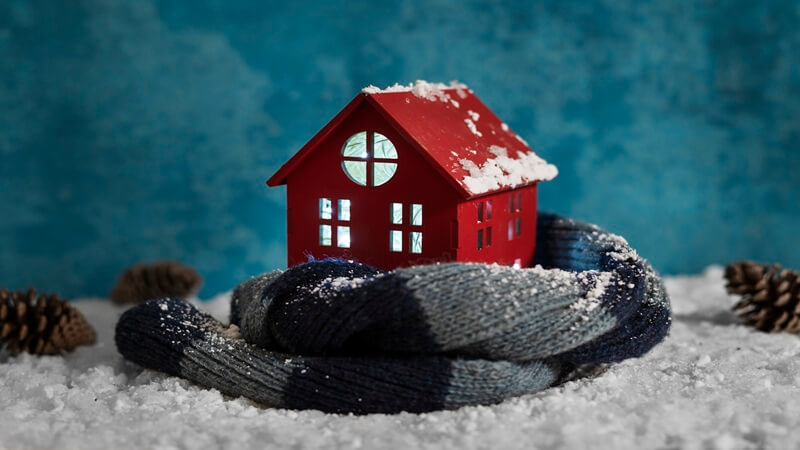
As the cold season approaches, every homeowner should think seriously about home winterization. Winter brings freezing temperatures, snow, ice, and strong winds, all of which can damage your house if you do not prepare in advance. A properly winterized home stays warm, safe, energy-efficient, and free from costly repairs caused by frozen pipes, roof leaks, or heating system failures.
In this complete guide, you will learn what winterization means, why it matters, how to winterize an old or new house, how to protect plumbing and HVAC systems, and even how to de-winterize your home when spring arrives. By the end, you will have a clear, step-by-step understanding of how to protect your property and your comfort throughout the winter season.
What Is Winterization of a Home?
Winterization is the process of preparing a house for harsh winter conditions. Homeowners usually complete this process in the fall, before the first snowfall or extreme cold arrives. The main goal is to protect the structure, plumbing, and heating systems from damage caused by freezing temperatures and heat loss.
When you winterize a home, you seal air leaks, insulate vulnerable areas, protect pipes from freezing, and make sure your heating system works efficiently. As a result, you reduce energy bills, avoid emergency repairs, and keep your living space comfortable all winter long.
In short, winterization focuses on prevention. Instead of fixing expensive problems in January, you take smart steps in autumn to avoid them completely.
Why Is Home Winterization So Important?
Many homeowners underestimate winter damage until they face a burst pipe, water leakage, or a broken furnace. However, winter can be extremely unforgiving. Here is why winter preparation matters so much:
-
Prevents frozen and burst pipes – Water expands when it freezes. If pipes are not protected, they can crack or burst, causing serious flooding.
-
Reduces heating costs – A well-sealed and insulated home keeps warm air inside, so your heater does not work overtime.
-
Protects the structure of your house – Snow, ice, and wind can damage roofs, walls, and foundations.
-
Improves comfort – A draft-free, well-heated home feels warmer and more pleasant.
-
Avoids emergency repairs – Winter repair services cost more and take longer, especially during storms.
Therefore, home winterization is not just a seasonal task. It is a smart investment in your property’s safety, efficiency, and long-term value.
The Complete Winterization Process Explained
The winterization process usually focuses on five major areas:
-
Plumbing system
-
Heating system
-
Insulation and air sealing
-
Roof, gutters, and exterior
-
Doors, windows, and ventilation
Let’s explore each one step by step.
1. Protecting Your Plumbing System
Plumbing suffers the most during winter. Frozen pipes remain the number one cause of winter home damage.
Steps to Protect Your Pipes
-
Insulate exposed pipes in basements, attics, crawl spaces, and garages.
-
Seal air leaks near pipes, especially where they pass through walls.
-
Disconnect outdoor hoses and drain exterior faucets.
-
Shut off and drain unused water lines if the house will remain vacant.
-
Let faucets drip slightly during extreme cold to keep water moving.
If you plan to leave your house vacant during winter, you should fully drain the plumbing system or use antifreeze made for plumbing systems.
2. Preparing Your Heating System
Your heating system works harder in winter than at any other time of year. Therefore, it must be reliable and efficient.
What You Should Do
-
Service your furnace or boiler before winter starts.
-
Replace or clean air filters to improve airflow and efficiency.
-
Check chimneys and vents for blockages or damage.
-
Test your thermostat to ensure it controls temperature properly.
-
Consider a programmable thermostat to save energy.
A well-maintained heating system not only keeps you warm but also prevents dangerous issues like carbon monoxide buildup.
3. Insulation and Air Sealing
Even the best heating system cannot perform well if warm air escapes through gaps and cracks.
Key Areas to Insulate
-
Attic and roof space
-
Basement and crawl spaces
-
Walls and ceilings
-
Around windows and doors
How to Seal Air Leaks
-
Use weatherstripping on doors and windows.
-
Apply caulk around small cracks and openings.
-
Seal gaps around vents, pipes, and electrical outlets.
Because heat naturally rises, attic insulation plays a major role in keeping your home warm. Therefore, improving insulation often delivers the fastest return on investment.
4. Roof, Gutters, and Exterior Protection
Your home’s exterior stands directly against snow, ice, rain, and wind. That is why you must inspect it carefully before winter.
Exterior Checklist
-
Repair loose or missing shingles on the roof.
-
Clean and inspect gutters so melting snow can drain properly.
-
Check siding and foundation cracks and seal them.
-
Trim weak tree branches that could fall during storms.
-
Repair patios, walkways, and pavers to avoid water damage and ice hazards.
When you take care of these details early, you reduce the risk of leaks, ice dams, and structural damage during winter storms.
5. Doors and Windows: Stop Heat Loss
Windows and doors often cause the biggest heat loss in winter. Fortunately, you can fix this easily.
Simple Improvements
-
Install weatherstripping around doors and windows.
-
Use thermal curtains or heavy drapes.
-
Apply plastic window insulation film for extra protection.
-
Check door sweeps and replace damaged ones.
These small upgrades can significantly improve comfort and reduce heating bills.
How to Winterize an Old House
Older homes usually need extra attention because they often lack modern insulation and sealing.
Special Tips for Old Houses
-
Insulate attic and walls if they lack proper insulation.
-
Protect indoor pipes with extra insulation.
-
Check the furnace and chimney carefully, as older systems need more maintenance.
-
Seal foundation gaps and cracks to block cold air.
-
Inspect the roof structure for weakness.
Although winterizing an old house may take more effort, it dramatically improves comfort and prevents expensive repairs.
How to Winterize an AC System
Your air conditioner sits unused during winter, but cold weather can still damage it.
Steps to Protect Your AC Unit
-
Remove leaves, twigs, and debris around the unit.
-
Turn off the electrical circuit connected to the AC.
-
Install foam or rubber insulation around exposed pipes.
-
Cover the outdoor unit with a waterproof AC cover designed for winter.
This simple process extends the life of your system and prevents corrosion and freezing damage.
What If the House Will Be Vacant All Winter?
If you plan to leave your home empty for months, winterization becomes even more important.
In this case, winterizing means preparing the house for vacancy so nothing freezes or breaks. You should:
-
Shut off the main water supply.
-
Drain the entire plumbing system.
-
Add antifreeze to toilets and drains.
-
Set the thermostat to a low but safe temperature.
-
Ask someone to check the house occasionally.
This version of home winterization focuses mainly on preventing plumbing disasters while the house remains unoccupied.
How to De-Winterize Your House in Spring
When winter ends, you should reverse the winterization process carefully.
Step-by-Step De-Winterization
-
Remove aerators and reconnect the water supply.
-
Turn on the main water supply slowly.
-
Turn water back on for the heater, boiler, and softener.
-
Open faucets one by one and flush the system.
-
Turn the main supply fully on.
-
Check all indoor and outdoor plumbing for leaks.
By following these steps, you avoid sudden pressure damage and discover small leaks before they become big problems.
The True Purpose of Winterization (Beyond Homes)
Interestingly, the word “winterization” also appears in the food industry. For example, companies winterize oils like sunflower oil or rice bran oil to remove waxes and improve clarity. However, in home maintenance, winterization has one clear goal: protecting your property from cold-weather damage and energy loss.
A Practical Winterization Checklist
Here is a quick checklist you can follow every fall:
-
✔ Service heating system
-
✔ Insulate pipes and attic
-
✔ Seal windows and doors
-
✔ Clean gutters and inspect roof
-
✔ Protect AC unit
-
✔ Disconnect outdoor hoses
-
✔ Check chimney and vents
-
✔ Trim trees near the house
If you complete this list, you will cover nearly all major winter risks.
Common Mistakes to Avoid
Even careful homeowners sometimes make mistakes. Avoid these:
-
Ignoring small cracks and leaks
-
Forgetting outdoor faucets
-
Skipping furnace maintenance
-
Using the wrong cover for AC units
-
Waiting until the first snowfall to start
Preparation always works best when you start early.
Final Thoughts: Why Home Winterization Is Worth It
In the end, home winterization is one of the smartest things you can do as a homeowner. It protects your house, saves money, improves comfort, and prevents stressful emergencies during the coldest months of the year.
Instead of reacting to problems in winter, you stay one step ahead by preparing in fall. With the right approach, winter becomes a cozy season inside your home rather than a costly nightmare.
So, take action now. Follow this guide, complete your checklist, and enjoy a warm, safe, and worry-free winter.
For more info visit HizzaBolouFazic